
University Hospitals Birmingham NHS Foundation trust (UHB) is proud of its links with Birmingham’s diverse local communities in its drive to promote social inclusion and prevent ill health.
The Trust is involved with several programmes across the city working alongside partners including the Centre for Local Economic Strategies (CLES), local government, social services and social sector organisations.
Projects include helping people into employment through a learning hub to support entry level employment for disadvantaged groups; working with the social sector organisation RedThread on issues associated with gun and knife crime; using the Trust’s green spaces and facilities to enable local groups and organisations to meet and reduce costs; and providing clothing and food banks to support the local community and patients upon discharge. UHB is also working with social services to provide training and work for care leavers in the city; the Department for Work and Pensions to support Syrian refugees into employment; as well as working with sex workers to find employment away from the streets.
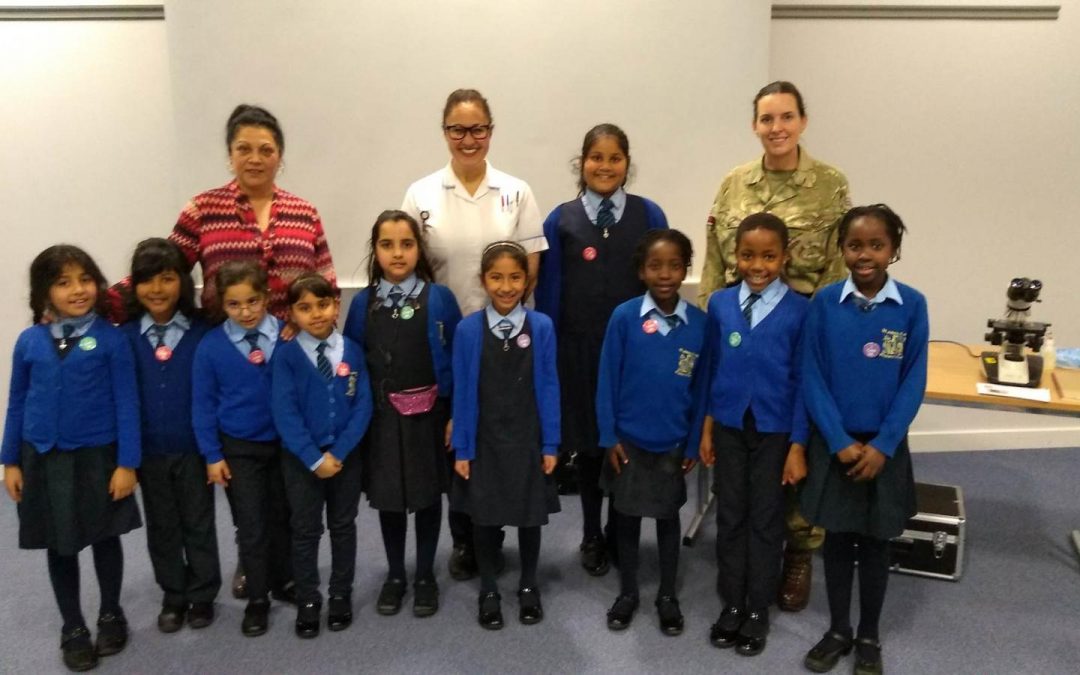
UHB is working with an education charity ‘I can be’ inviting young girls from inner city schools to learn more about different job roles in the NHS and show them what they could achieve regardless of cultural or societal norms. Female mentors from within the Trust (including a dietitian, operating department practitioner, clinical scientist, pharmacist and military staff) are showcasing their work in a child-friendly way to broaden the girls’ horizons and discover the opportunities around them.
Antony Cobley, UHB’s head of inclusion and well-being, explains, “These are programmes that might not immediately be thought of as the responsibility of a large acute trust. However, the good health of our population and our aim to build healthier lives is, of course, incredibly important to the work of our hospitals and the links between poverty, unemployment and poor health are widely documented. Our involvement in social inclusion projects therefore has a crucial role to play in promoting the good health of our population and these are projects that can be replicated across the country.”